Beyond the Pixels: How I Explore and Experiment
Hey! I'm Vukasin, and I work as a Product Designer at Peer.
Most of my days are spent in Figma—solving UX/UI problems, maintaining our component library, and making sure everything works smoothly. But here's the thing: I can't help myself from constantly exploring what's new out there. I follow tools, trends, and tech developments obsessively, and whenever I find something interesting, I dive in and test it out.
These aren't massive research projects—just quick experiments and prototypes that sometimes spark something bigger within the team. Here are a few examples:1. Early AI 3D Model Generation This one's a bit outdated now, but back when AI-generated 3D models were expensive and locked behind paywalls, I found an open-source model. I ran some tests, packaged everything into a presentation, and showed it to the team. They loved it and quickly implemented 3D object generation into our app. Now users can populate their "my Worlds" with AI-generated models!
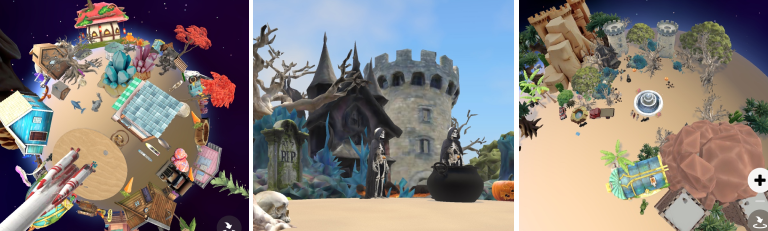
2. Procedural Building Generation in Blender I stumbled upon a Blender script that could generate entire buildings procedurally. Buildify You'd model a few basic elements, and the script would use them to construct buildings of all shapes and sizes. I downloaded it, watched some tutorials, made demo videos, and explained how this could help us scale our content creation. It got the team thinking in new directions. And this is what they made!
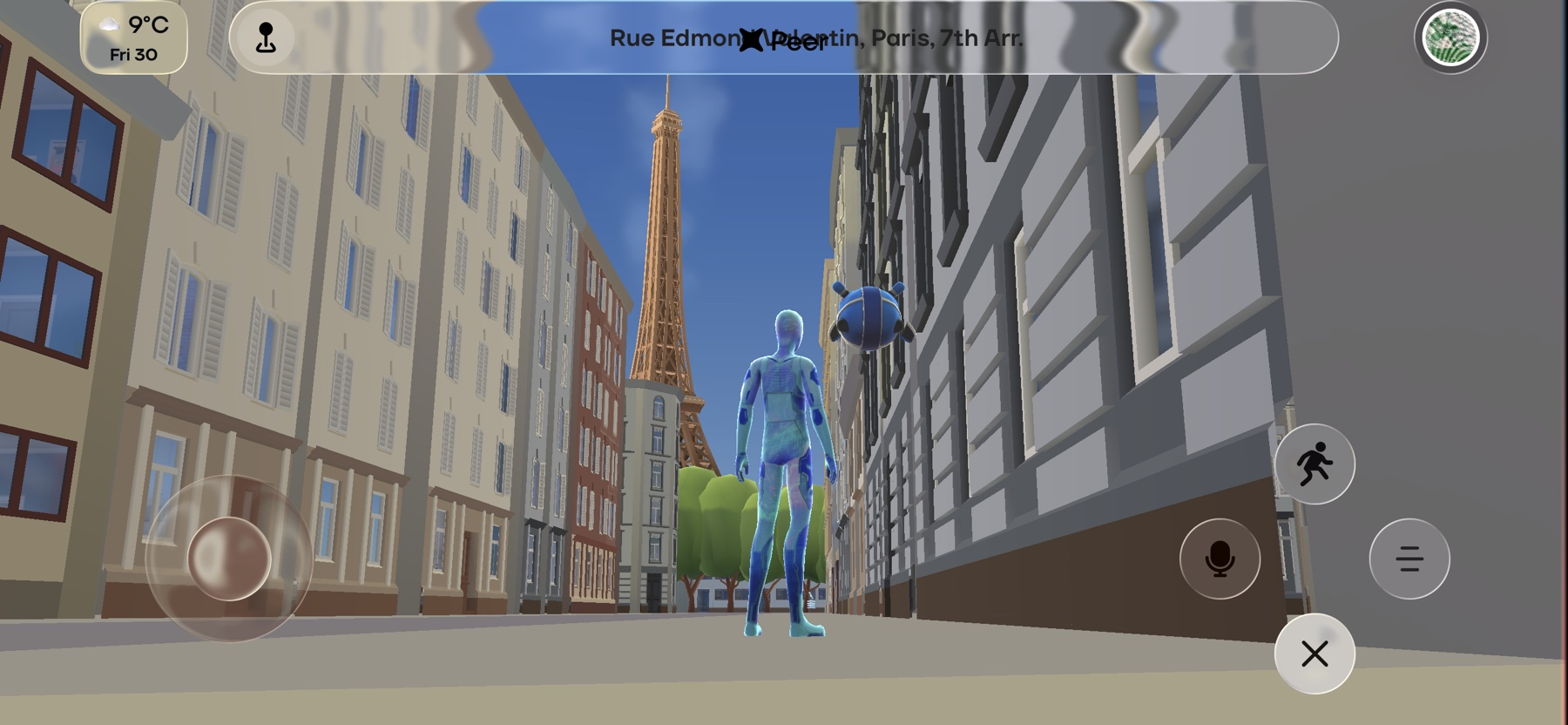
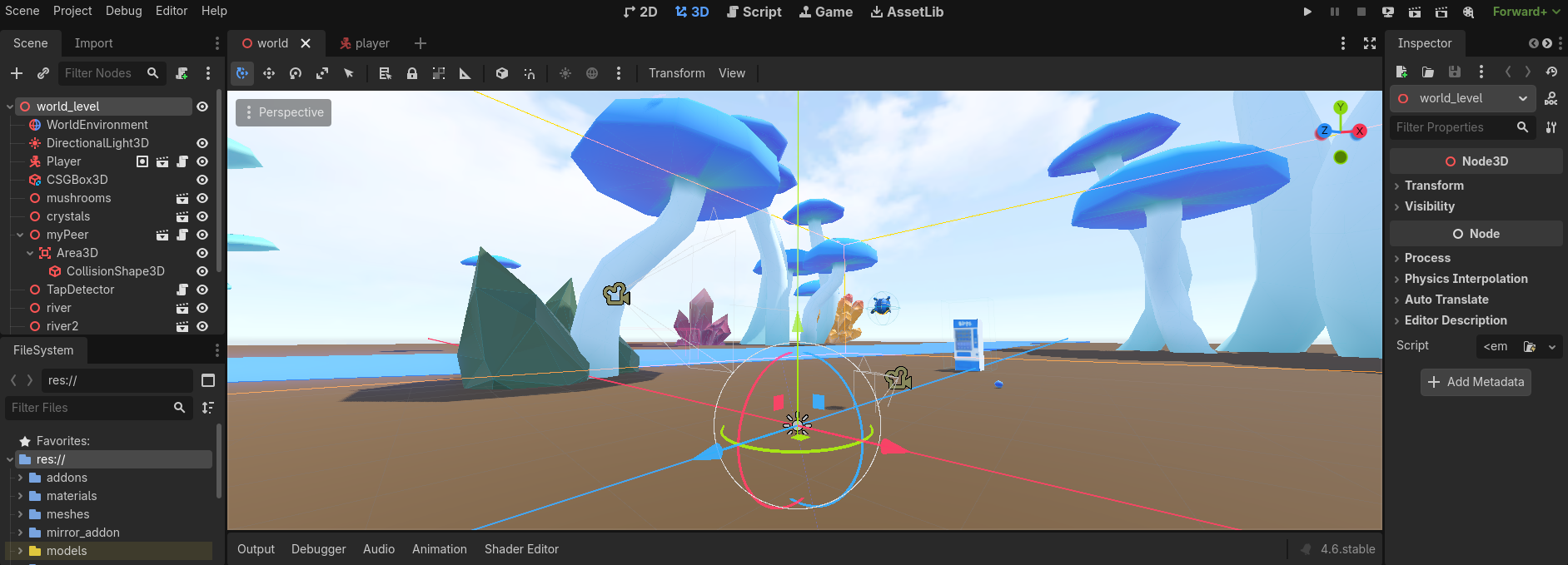
3. Godot Prototypes This was a fun one. Our Lead Product Manager and I had some ideas that were way too complex to mock up in Figma. So I used my game dev skills in Godot to build actual working prototypes that the team could test on their phones. Sure, they were only 50-80% of the final vision, but experiencing something interactive beats static screens any day. It helped everyone feel what we were building.
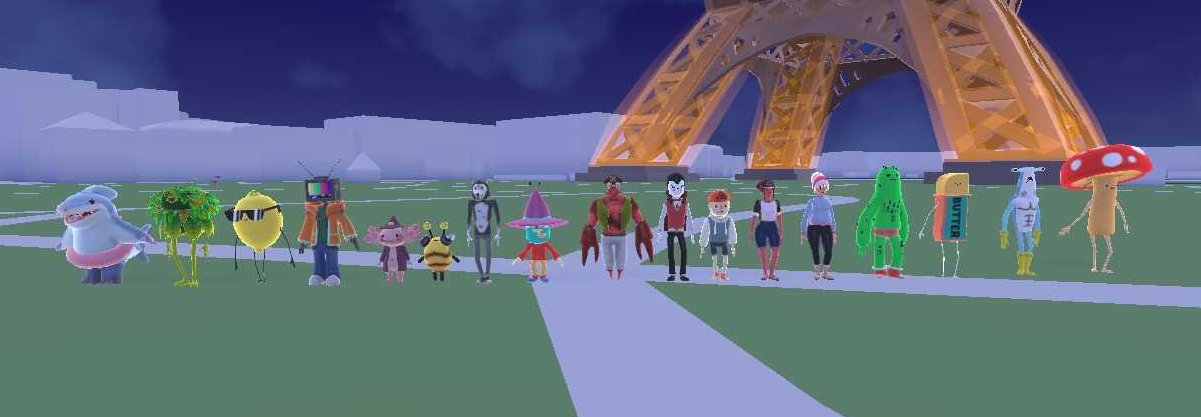
4. Open Source Avatars Recently, I found opensourceavatars.com while browsing around. I immediately downloaded some characters, tested them in Blender, and checked how easy they'd be to integrate. After documenting everything, I showed the team—and they were stoked. Our art team quickly created a bunch of new characters in just a few days, and we had them live in the app shortly after. It took the pressure off creating everything from scratch.


Beyond the Pixels: How I Explore and Experiment
Hey! I'm Vukasin, and I work as a Product Designer at Peer.
Most of my days are spent in Figma—solving UX/UI problems, maintaining our component library, and making sure everything works smoothly. But here's the thing: I can't help myself from constantly exploring what's new out there. I follow tools, trends, and tech developments obsessively, and whenever I find something interesting, I dive in and test it out.
These aren't massive research projects—just quick experiments and prototypes that sometimes spark something bigger within the team. Here are a few examples:1. Early AI 3D Model Generation This one's a bit outdated now, but back when AI-generated 3D models were expensive and locked behind paywalls, I found an open-source model. I ran some tests, packaged everything into a presentation, and showed it to the team. They loved it and quickly implemented 3D object generation into our app. Now users can populate their "my Worlds" with AI-generated models!
2. Procedural Building Generation in Blender I stumbled upon a Blender script that could generate entire buildings procedurally. Buildify You'd model a few basic elements, and the script would use them to construct buildings of all shapes and sizes. I downloaded it, watched some tutorials, made demo videos, and explained how this could help us scale our content creation. It got the team thinking in new directions. And this is what they made!
3. Godot Prototypes This was a fun one. Our Lead Product Manager and I had some ideas that were way too complex to mock up in Figma. So I used my game dev skills in Godot to build actual working prototypes that the team could test on their phones. Sure, they were only 50-80% of the final vision, but experiencing something interactive beats static screens any day. It helped everyone feel what we were building.
4. Open Source Avatars Recently, I found opensourceavatars.com while browsing around. I immediately downloaded some characters, tested them in Blender, and checked how easy they'd be to integrate. After documenting everything, I showed the team—and they were stoked. Our art team quickly created a bunch of new characters in just a few days, and we had them live in the app shortly after. It took the pressure off creating everything from scratch.

Beyond the Pixels: How I Explore and Experiment
Hey! I'm Vukasin, and I work as a Product Designer at Peer.
Most of my days are spent in Figma—solving UX/UI problems, maintaining our component library, and making sure everything works smoothly. But here's the thing: I can't help myself from constantly exploring what's new out there. I follow tools, trends, and tech developments obsessively, and whenever I find something interesting, I dive in and test it out.
These aren't massive research projects—just quick experiments and prototypes that sometimes spark something bigger within the team. Here are a few examples:1. Early AI 3D Model Generation This one's a bit outdated now, but back when AI-generated 3D models were expensive and locked behind paywalls, I found an open-source model. I ran some tests, packaged everything into a presentation, and showed it to the team. They loved it and quickly implemented 3D object generation into our app. Now users can populate their "my Worlds" with AI-generated models!
2. Procedural Building Generation in Blender I stumbled upon a Blender script that could generate entire buildings procedurally. Buildify You'd model a few basic elements, and the script would use them to construct buildings of all shapes and sizes. I downloaded it, watched some tutorials, made demo videos, and explained how this could help us scale our content creation. It got the team thinking in new directions. And this is what they made!
3. Godot Prototypes This was a fun one. Our Lead Product Manager and I had some ideas that were way too complex to mock up in Figma. So I used my game dev skills in Godot to build actual working prototypes that the team could test on their phones. Sure, they were only 50-80% of the final vision, but experiencing something interactive beats static screens any day. It helped everyone feel what we were building.
4. Open Source Avatars Recently, I found opensourceavatars.com while browsing around. I immediately downloaded some characters, tested them in Blender, and checked how easy they'd be to integrate. After documenting everything, I showed the team—and they were stoked. Our art team quickly created a bunch of new characters in just a few days, and we had them live in the app shortly after. It took the pressure off creating everything from scratch.